- longtong@snacks-china.com
- Mon - Sat at 7:00AM to 9:00PM

Leave Your Message
The global bubble gum market is really booming right now, and it's expected to hit over USD 3 billion by 2025. A big reason for this is people are loving more unique flavors and cool, innovative packaging.
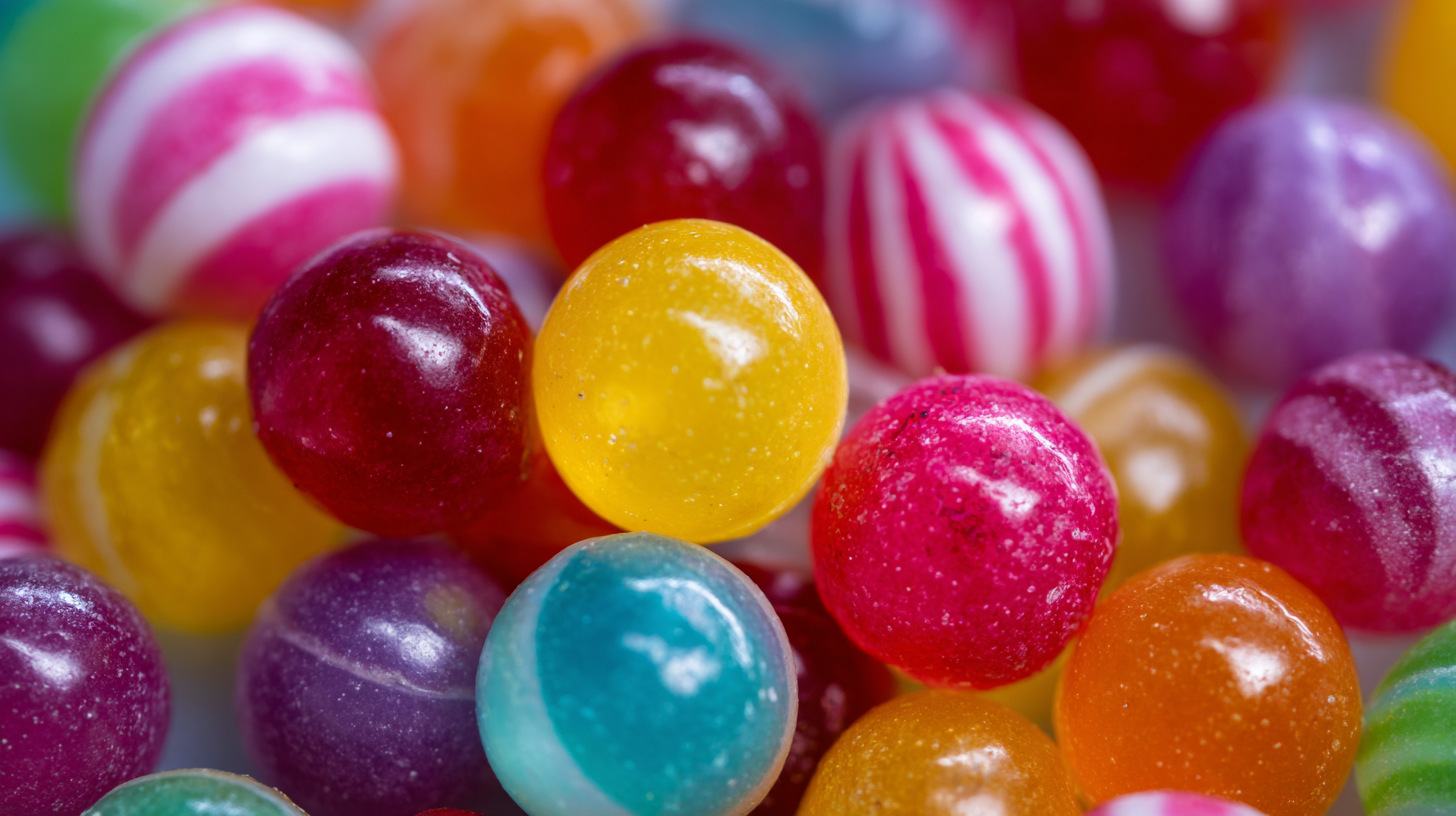 Longtong Group, being a pretty major player in this fast-changing industry, has made quite a name for itself as a top manufacturer, especially in OEM production of all kinds of snacks—bubble gum, soft candies, lollipops, marshmallows, chocolates, and biscuits. They focus heavily on quality and really keep up with what's trending, which helps them stay ahead.
Thanks to their knack for understanding what consumers want, Longtong is set to grab a big chunk of the growing bubble gum market and continue making a name as a key global supplier of tasty treats.
Longtong Group, being a pretty major player in this fast-changing industry, has made quite a name for itself as a top manufacturer, especially in OEM production of all kinds of snacks—bubble gum, soft candies, lollipops, marshmallows, chocolates, and biscuits. They focus heavily on quality and really keep up with what's trending, which helps them stay ahead.
Thanks to their knack for understanding what consumers want, Longtong is set to grab a big chunk of the growing bubble gum market and continue making a name as a key global supplier of tasty treats.
You know, the way Chinese bubble gum has taken over as a major export worldwide is quite a shift in how we think about candy manufacturing. I was reading this report from Market Research Future, and apparently, in 2020, the bubble gum market was worth around $4.15 billion. And get this — it’s expected to grow by about 3.4% each year until 2027. China’s really ramping up its production and coming up with some pretty cool, innovative flavors, making it a serious contender on the global stage. Plus, they’re focusing on sustainability — sourcing and producing responsibly — which not only appeals to local tastes but also grabs the attention of international buyers.
If you’re curious about breaking into the bubble gum scene, here’s a tip: try to offer flavors that are a bit different, catering to various cultural preferences. Think beyond the usual. Fruits, herbal blends, even spicy options — mixing things up can really boost your reach and keep customers coming back.
Another trend that’s catching on? Demand for sugar-free and organic kinds. People seem more health-conscious these days, right? A study by Grand View Research notes that sugar-free gum is expected to grow at around 6.4% annually in the near future. Chinese manufacturers are putting more into R&D to keep up with these changing tastes, developing products that are healthier but still super tasty.
And here’s another thought: marketing your gum’s health benefits can really help, especially with folks watching what they eat. Highlight things like no added sugar or natural ingredients — that kind of messaging can make a big difference in attracting health-savvy customers and growing your market share.

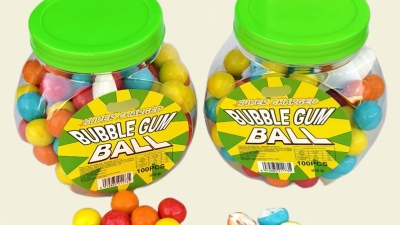
When it comes to celebrating special moments, no gathering is truly complete without a touch of sweetness. Enter canned bubble gum snacks—an innovative treat that not only caters to a range of tastes but also adds a playful twist to any celebration. According to the National Confectioners Association, the demand for unique and varied candy options has been on the rise, with over 70% of consumers seeking novelty in their confectionery purchases. This makes canned bubble gum an ideal choice for those looking to spice up their parties.
These bubble gum cans are not only visually enticing with their array of fun shapes—ranging from classic round balls and oval eggs to whimsical rulers made of small balls—but also boast an impressive variety of flavors. Each shape and flavor combination is designed to appeal to diverse taste preferences, ensuring that no guest is left out. Additionally, the generous packaging is perfect for sharing, making it easy to include everyone in the fun. Industry insights reveal that sweets with interactive features and those that encourage sharing have seen a significant growth in popularity, especially among families and during festive occasions.
With its large capacity and playful nature, canned bubble gum is a perfect addition to birthday parties, family gatherings, or just a simple leisure hangout. As we seek more engaging and enjoyable experiences in our celebrations, this delightful treat helps create memorable moments—turning any event into a fun-filled occasion that invites laughter and joy. Embrace the sweetness and let your celebrations bubble over with happiness!
: Quality assurance is crucial for manufacturers to ensure their products taste great and meet stringent safety and quality standards, which enhances customer loyalty and brand reputation.
Manufacturers can maintain high standards by continuously monitoring and improving their manufacturing processes, and by incorporating the latest technology in quality control to detect inconsistencies early.
Companies should invest in comprehensive training for staff, ensuring that everyone is aware of and understands quality protocols and practices.
Tips include regularly reviewing and updating quality control checklists, fostering a culture of quality by encouraging employee feedback, and staying ahead of market trends through flavor and texture innovation.
The bubble gum market is being influenced by a rising demand for novelty flavors that appeal to younger consumers, including unique combinations like bubblegum watermelon and sour apple mint.
The shift from traditional chewy gum to products with unique textures, such as crunchy or liquid-filled gums, enhances consumer experience and helps differentiate brands in a crowded market.
The global bubble gum market is projected to reach USD 3.5 billion by 2025, with a notable compound annual growth rate (CAGR) of 4.5%.
Innovation in flavors and textures is critical for manufacturers to create buzz and foster consumer interest, enabling them to stay competitive in the evolving confectionery landscape.




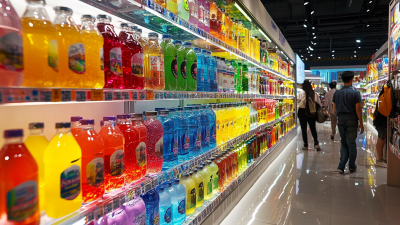


 When it comes to the competitive world of bubble gum, one thing really stands out — quality assurance. Honestly, manufacturers gotta make sure their gum not only tastes awesome but also meets tight safety and quality standards. Sticking to these high standards really pays off by building trust with customers and boosting your brand’s reputation worldwide.